


Bateba Yadawora Figure
Lobi People, Burkina Faso
Early 20th century
Wood, fiber, sacrificial materials
Published: “L’art traditionnel Lobi”, 1993, pg. 153
Provenance: Ex collection Giovanni Franco Scanzi
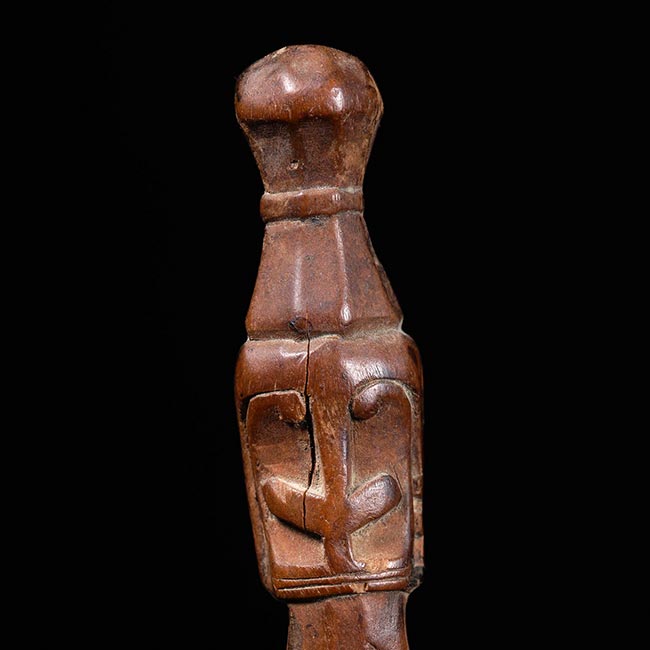
Among the Lobi of Burkina Faso, bateba figures were carved as physical dwellings for protective spiritual forces known as thil. Commissioned through the guidance of a diviner, each figure was created for a specific individual or family to guard against illness, misfortune, infertility, or other unseen dangers. More than representations of the human form, these sculptures were active participants in ritual life, serving as intermediaries between the living and the spirit world.
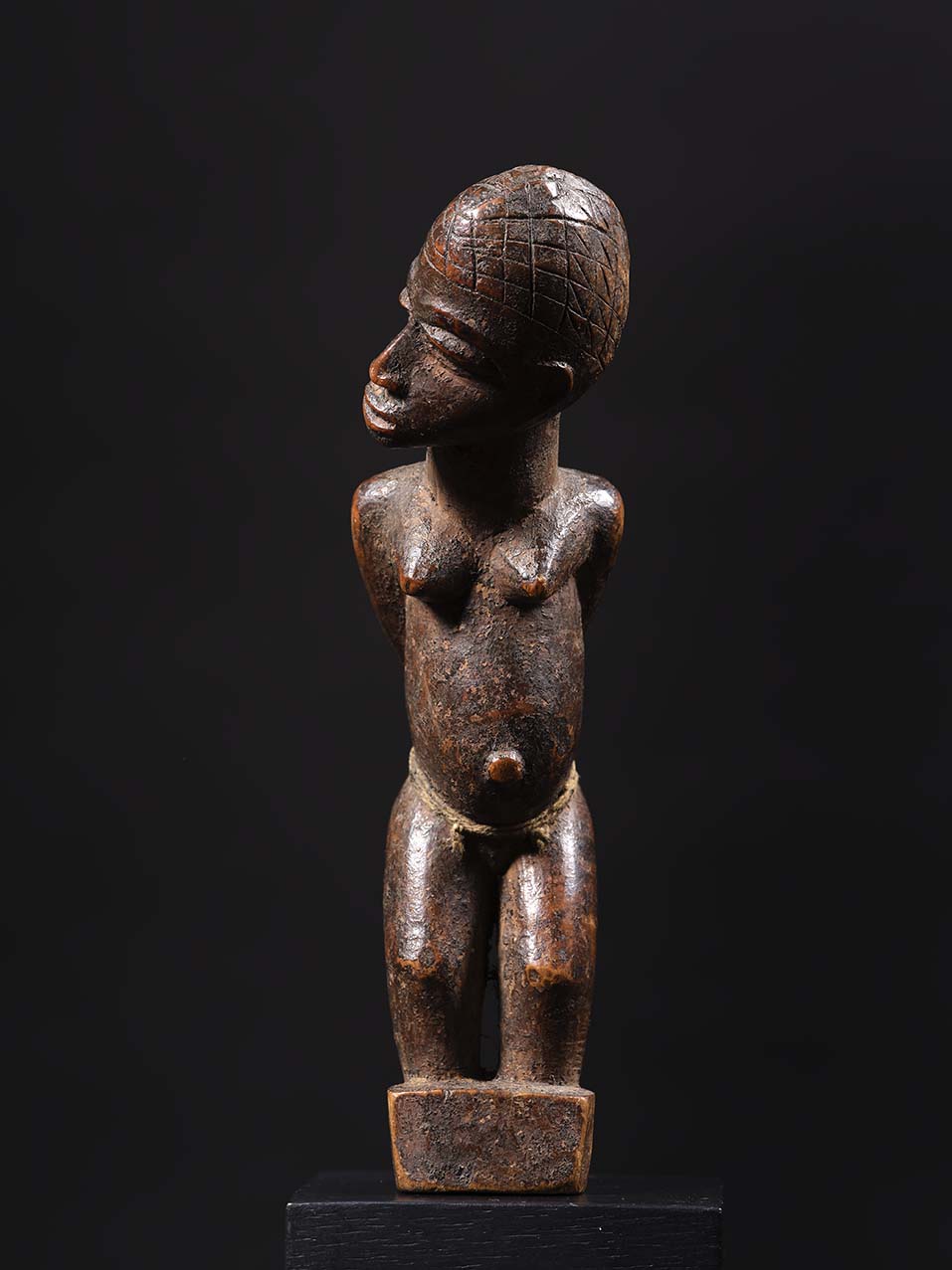
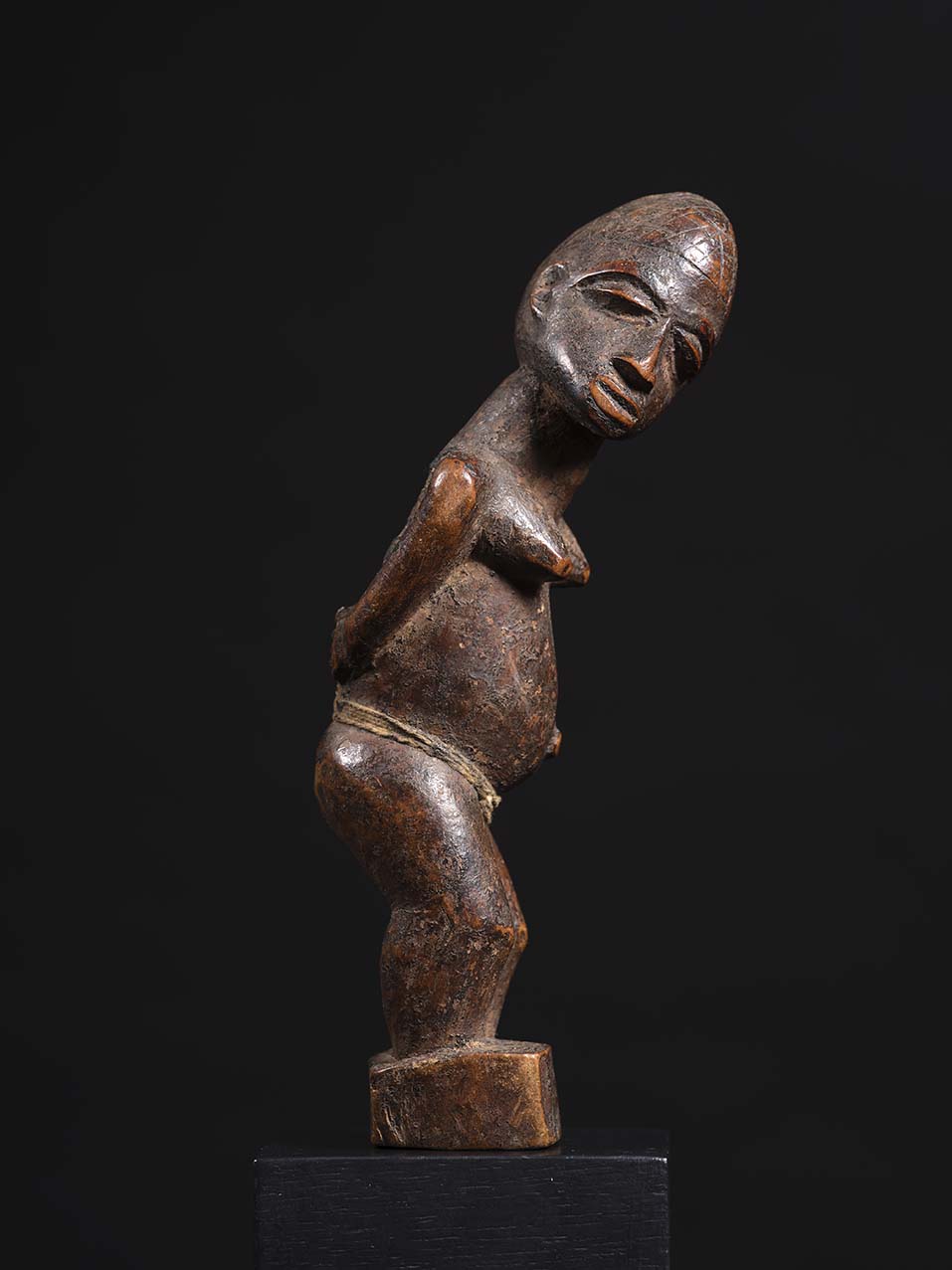
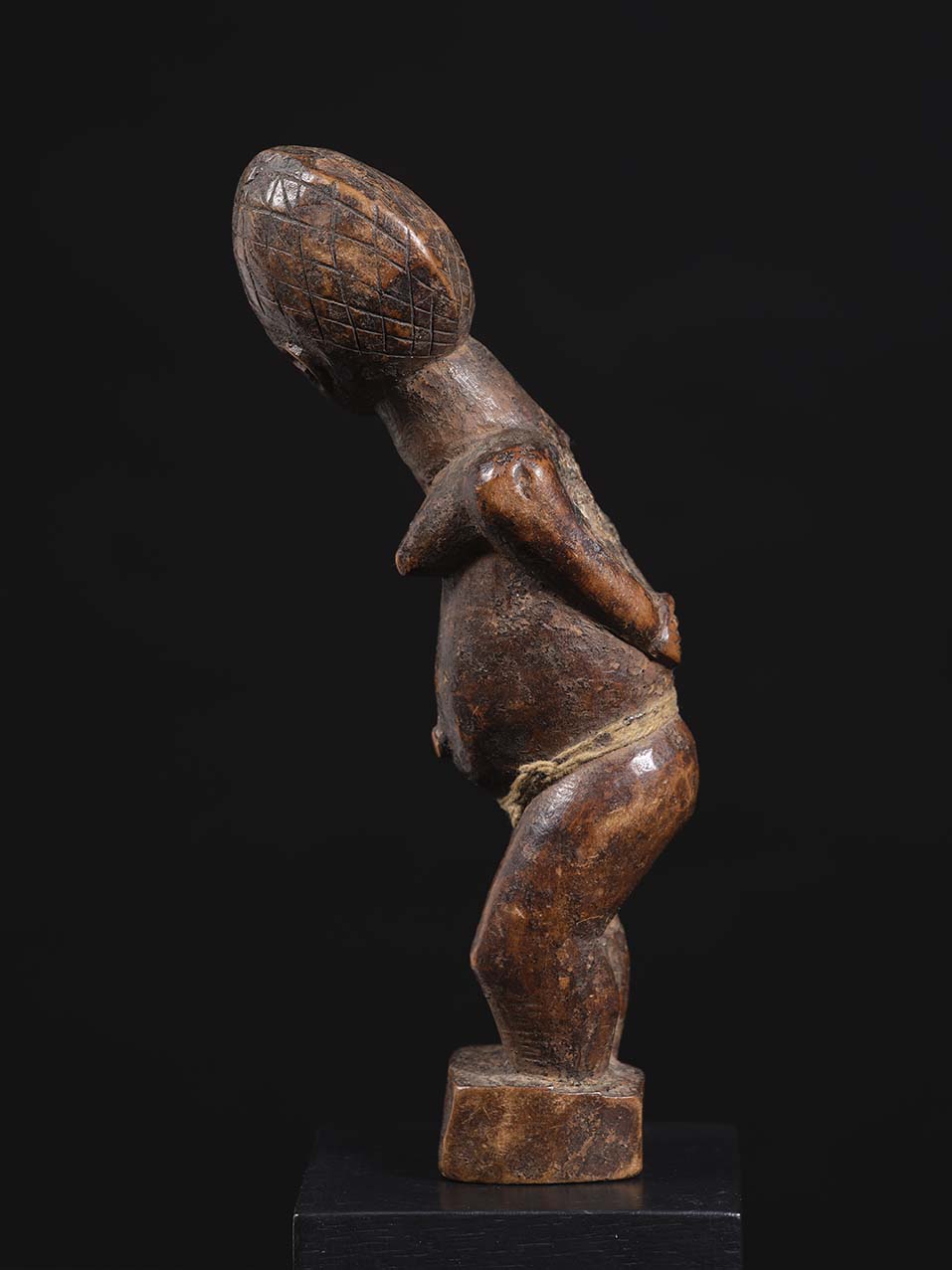
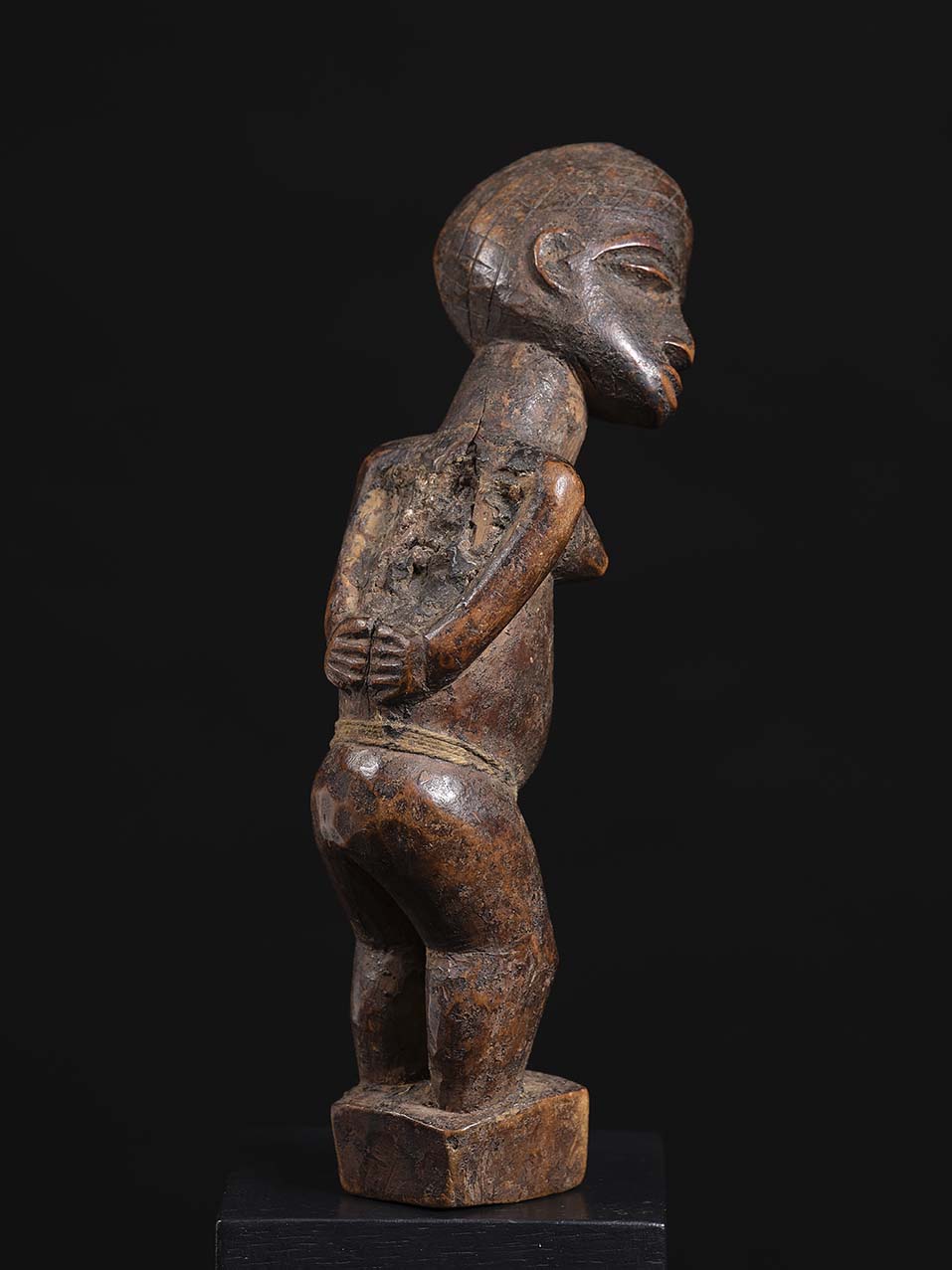
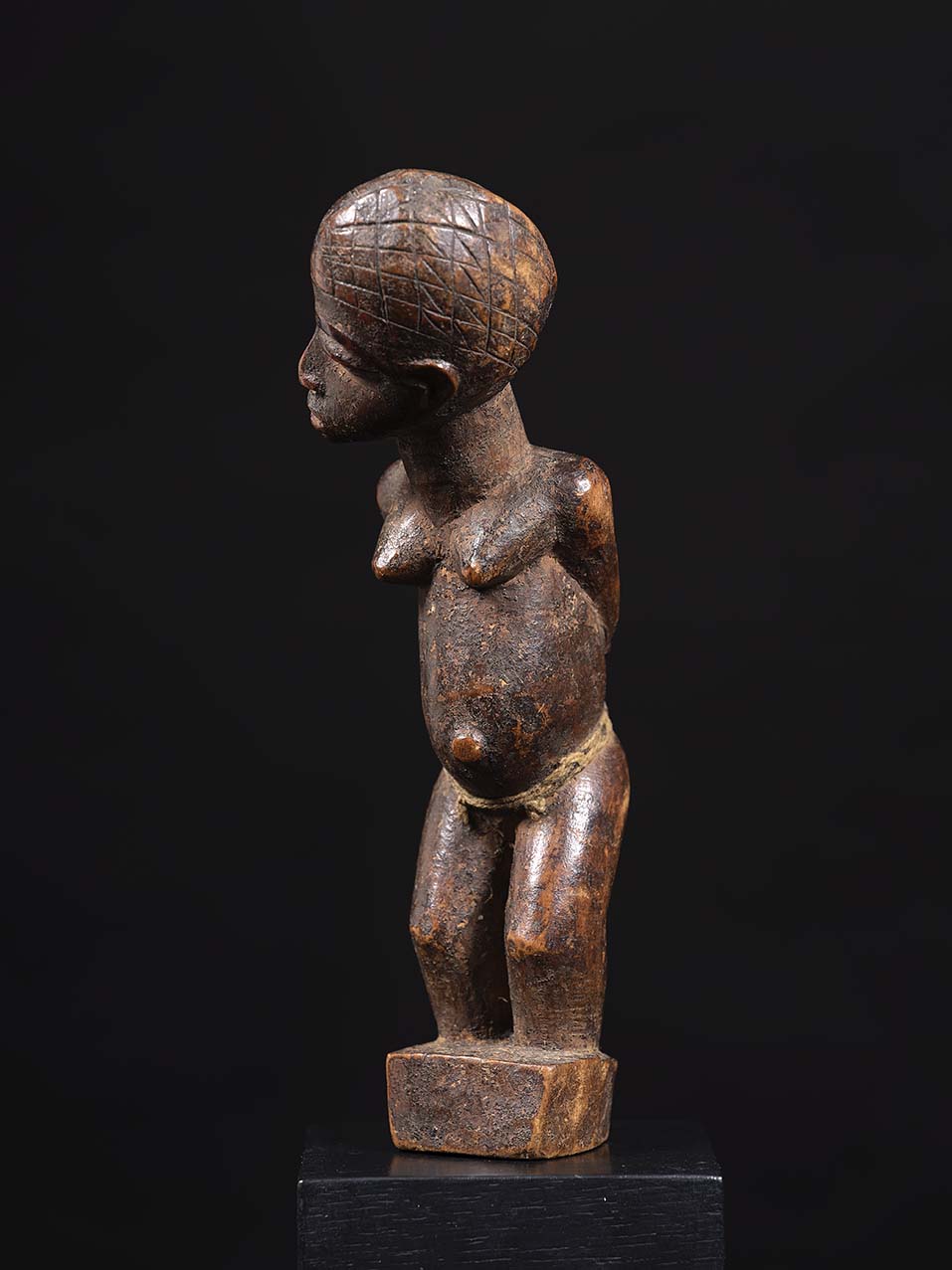
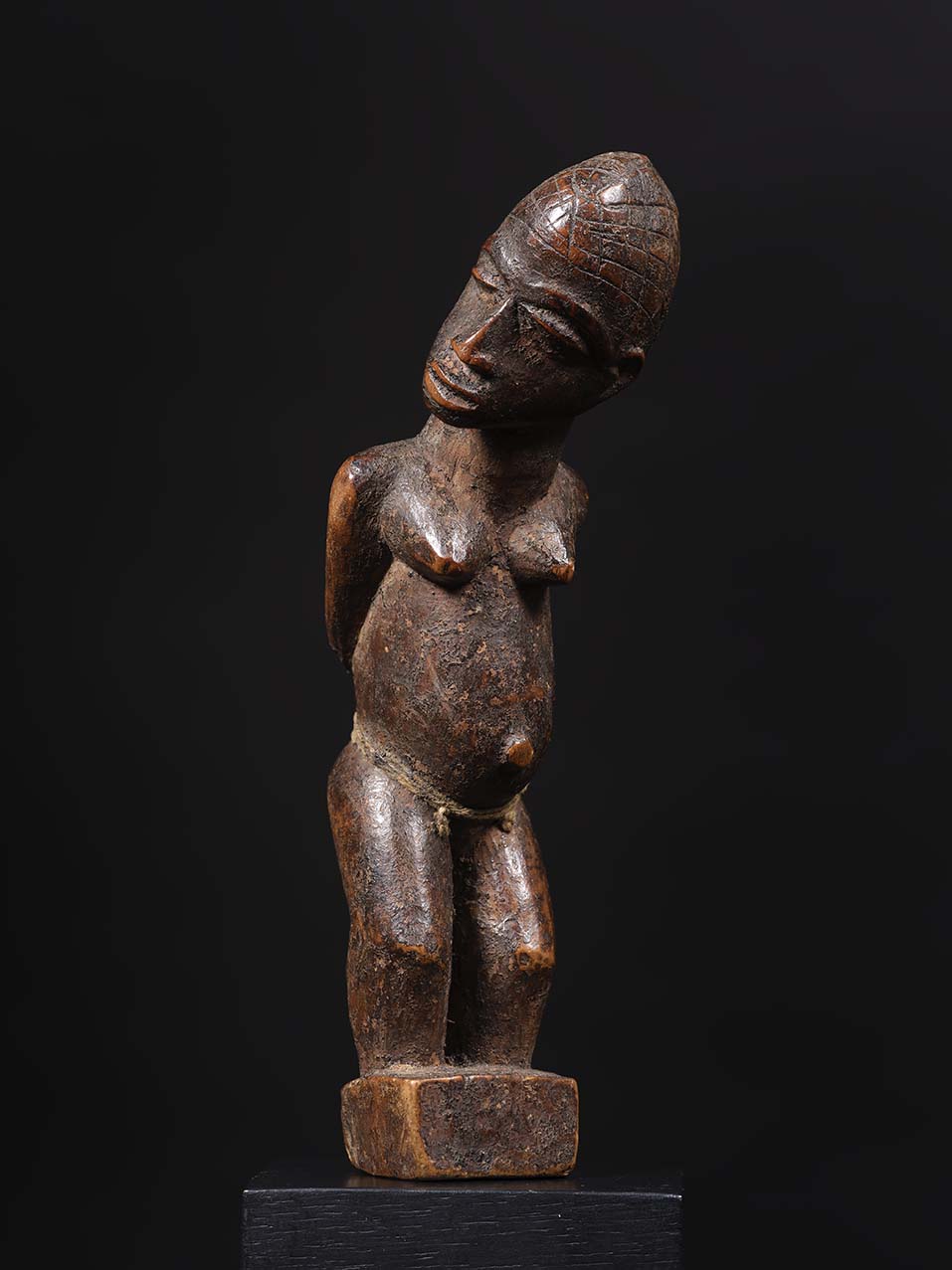
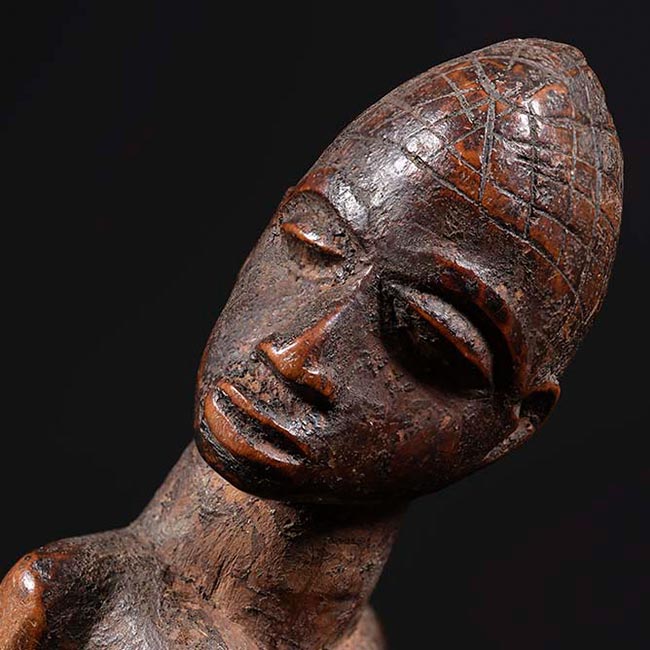
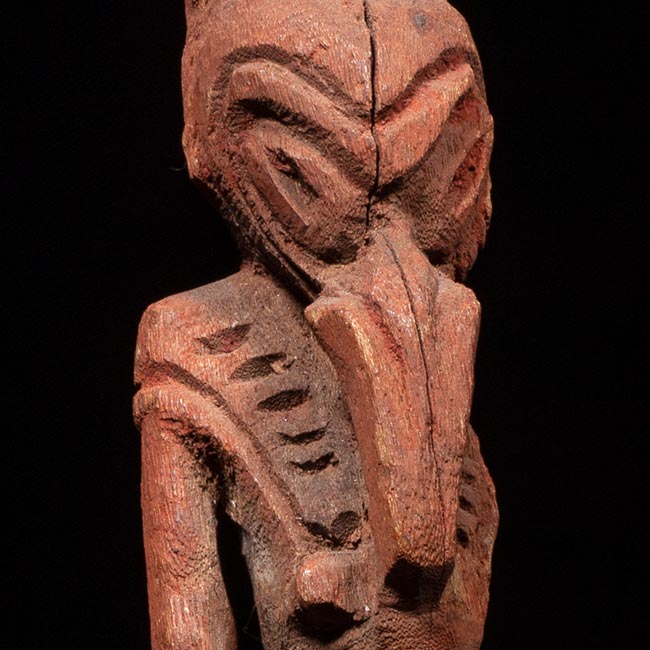
This Bateba Yadawora is remarkable for its vitality. The figure leans forward in a subtle but deliberate bend, while the head turns gently to one side, creating a dynamic composition that gives the sculpture an unmistakable sense of movement and life.
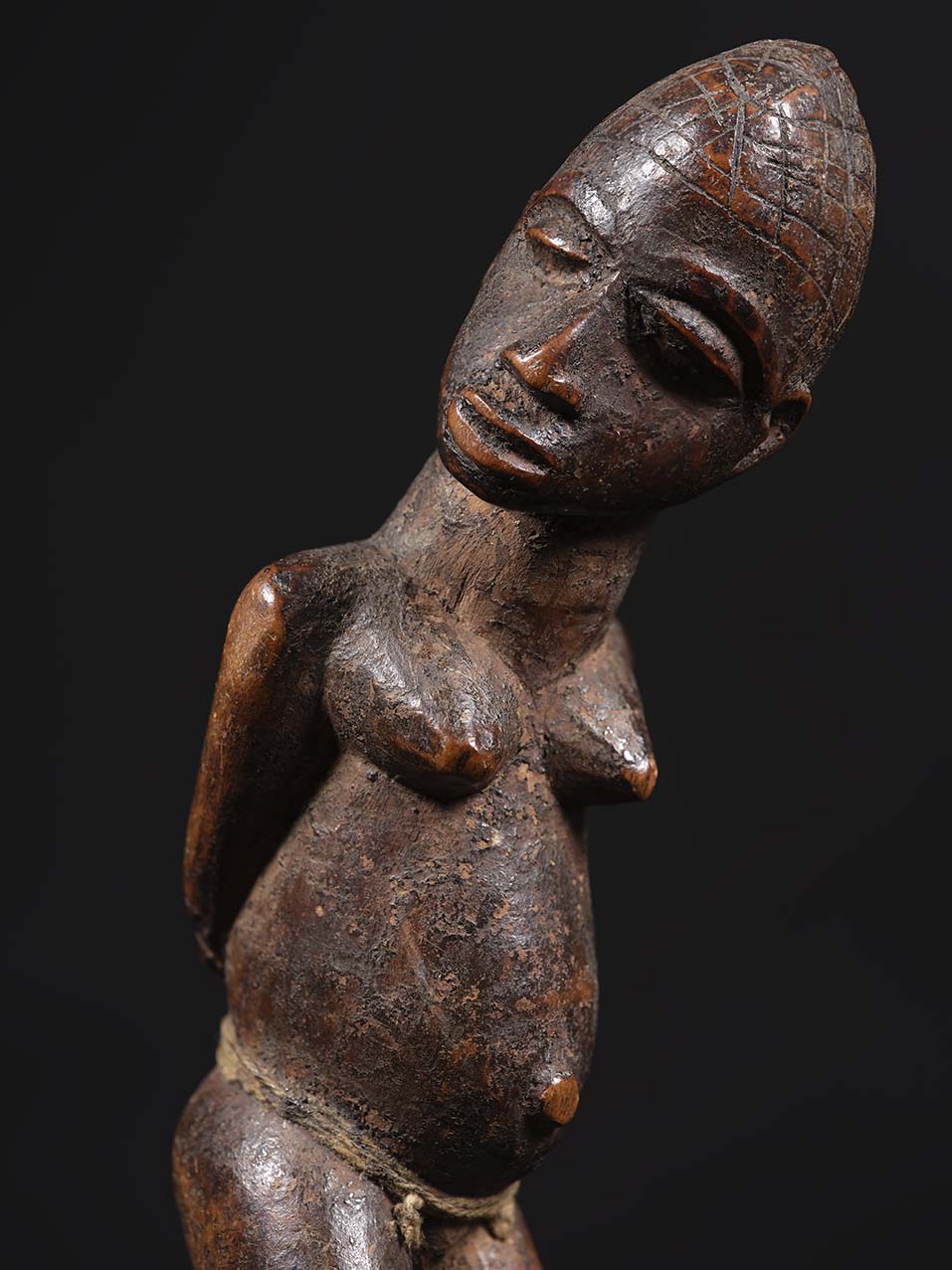
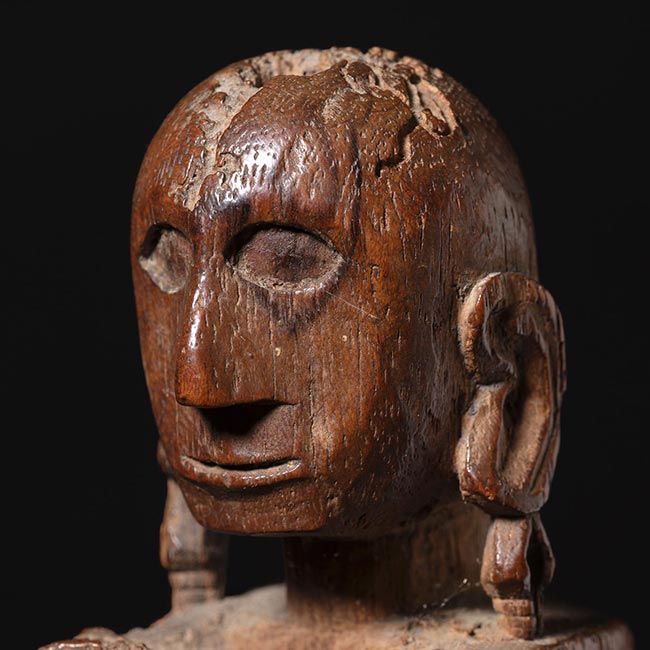
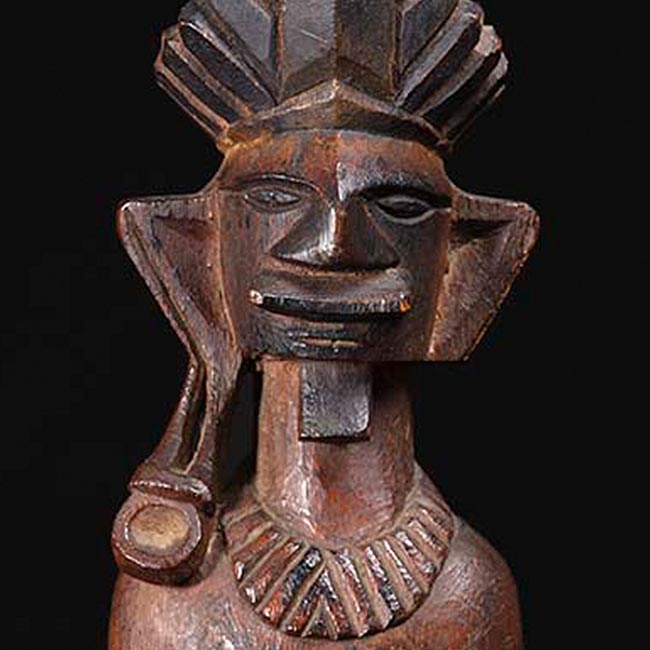
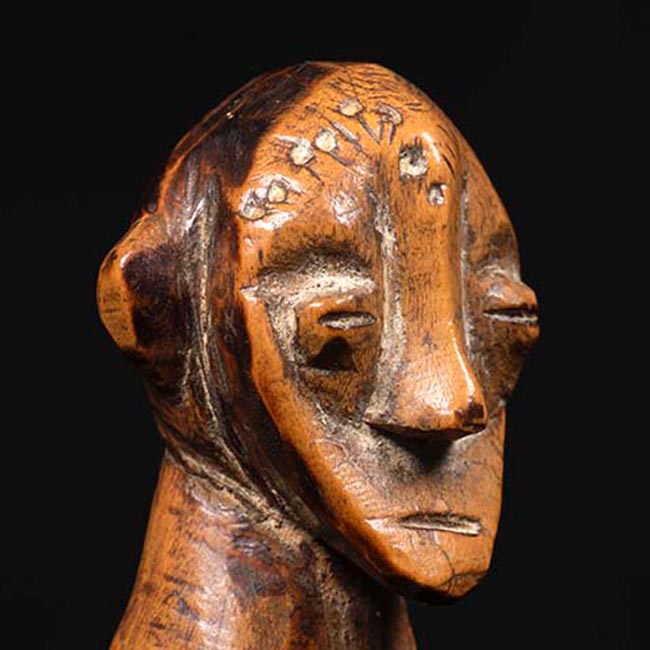
The head is especially well carved. The face possesses a striking expressiveness, achieved through beautifully balanced proportions and finely observed details that convey both intelligence and quiet intensity. Crowning the head is a carefully executed crosshatched design, adding texture and visual rhythm while showcasing the sculptor’s confidence and precision.
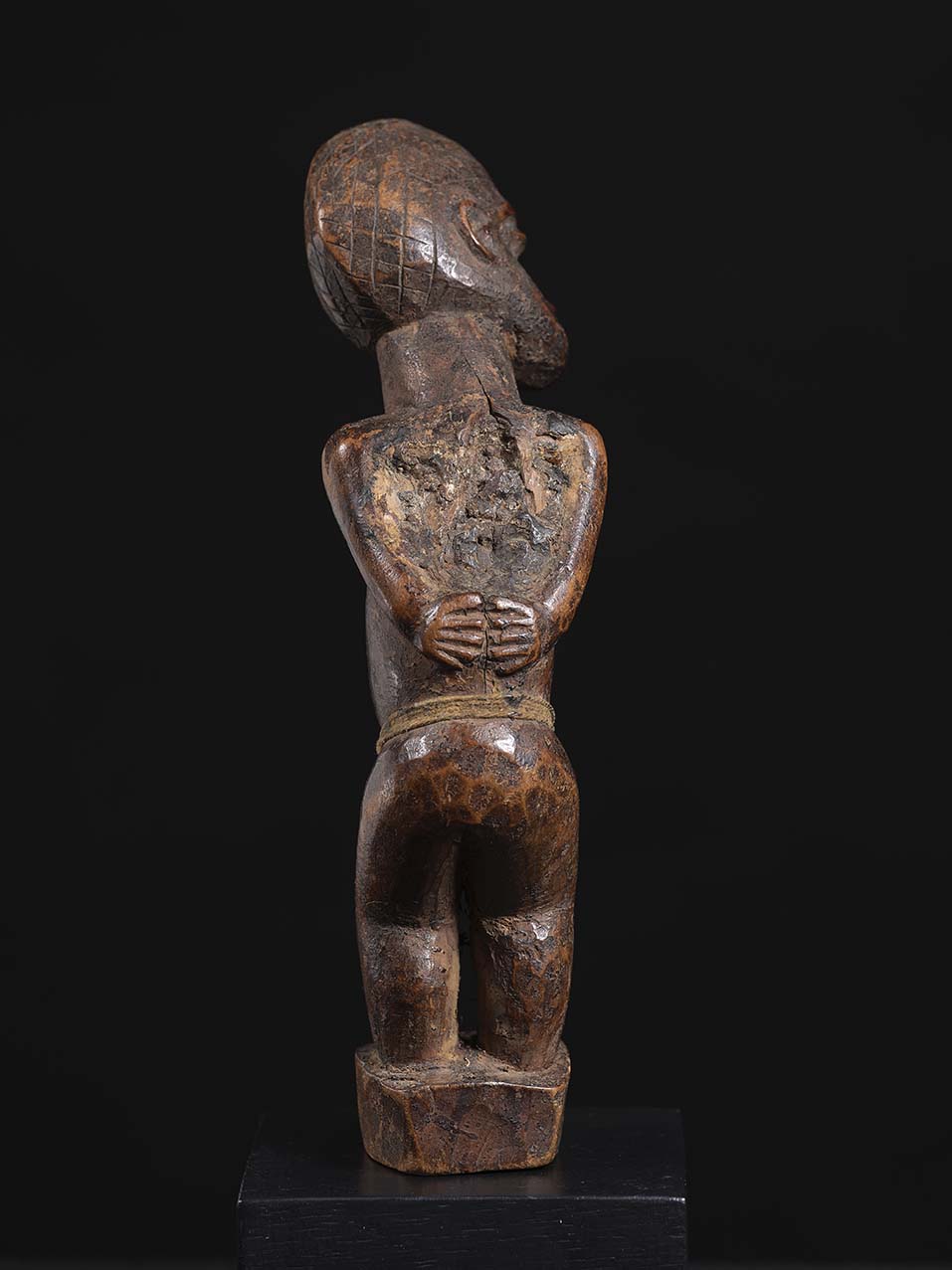
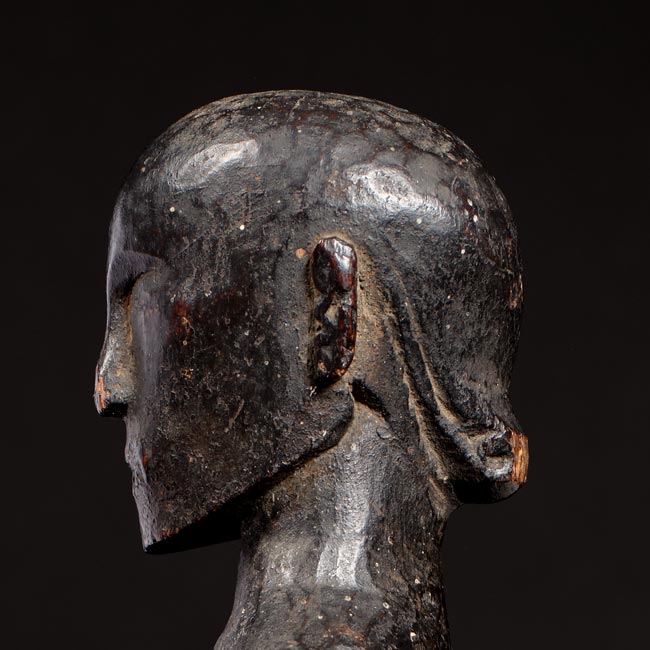
One of the figure’s greatest strengths is its extraordinary surface. A deep, complex, and beautifully varied patina has developed over decades of ritual use and careful handling. Rich blacks, warm browns, and reddish highlights merge into a surface of exceptional depth, giving the sculpture a warmth and presence that only time can create.
Equally evocative are the surviving traces of its ritual life. The remains of a magical charge still adhere to the figure’s back, a rare survival that recalls the moment the sculpture was ritually activated and transformed into a vessel for the thil. Around the waist, an old fiber string remains tied in place, another intimate reminder of the object’s ceremonial use and the hands that once cared for it.
Size
Height: 7 ½ in / 19.1 cm
Item
IN 9-2-26 / Price on request
Gallery
Bateba Yadawora Figure
Lobi People, Burkina Faso
Early 20th century
Wood, fiber, sacrificial materials
Published: “L’art traditionnel Lobi”, 1993, pg. 153
Provenance: Ex collection Giovanni Franco Scanzi
Among the Lobi of Burkina Faso, bateba figures were carved as physical dwellings for protective spiritual forces known as thil. Commissioned through the guidance of a diviner, each figure was created for a specific individual or family to guard against illness, misfortune, infertility, or other unseen dangers. More than representations of the human form, these sculptures were active participants in ritual life, serving as intermediaries between the living and the spirit world.
This Bateba Yadawora is remarkable for its vitality. The figure leans forward in a subtle but deliberate bend, while the head turns gently to one side, creating a dynamic composition that gives the sculpture an unmistakable sense of movement and life.
The head is especially well carved. The face possesses a striking expressiveness, achieved through beautifully balanced proportions and finely observed details that convey both intelligence and quiet intensity. Crowning the head is a carefully executed crosshatched design, adding texture and visual rhythm while showcasing the sculptor’s confidence and precision.
One of the figure’s greatest strengths is its extraordinary surface. A deep, complex, and beautifully varied patina has developed over decades of ritual use and careful handling. Rich blacks, warm browns, and reddish highlights merge into a surface of exceptional depth, giving the sculpture a warmth and presence that only time can create.
Equally evocative are the surviving traces of its ritual life. The remains of a magical charge still adhere to the figure’s back, a rare survival that recalls the moment the sculpture was ritually activated and transformed into a vessel for the thil. Around the waist, an old fiber string remains tied in place, another intimate reminder of the object’s ceremonial use and the hands that once cared for it.
Size
Height: 7 ½ in / 19.1 cm
Item
IN 9-2-26 / Price on request
Gallery